
A comprehensive home maintenance checklist is a vital tool for homeowners and borrowers, encompassing structural integrity checks, safety features, and energy efficiency. Key components include regular repairs, inspections, and preventative measures for systems like roofing, plumbing, electrical, HVAC, and moisture control. Regular maintenance prevents costly emergency repairs, enhances indoor air quality, and documents property improvements for lenders. A well-compiled checklist demonstrates diligence, simplifies loan processes, protects investment value, and ensures property longevity through proactive upkeep.
In the dynamic realm of real estate, maintaining a property isn’t merely an option—it’s a key to preserving value and ensuring longevity. Yet, for busy homeowners or those new to property management, keeping track of essential tasks can be daunting. This comprehensive guide offers an actionable home maintenance checklist designed to empower both seasoned owners and first-time buyers alike. By following these strategic steps, you’ll not only enhance the curb appeal and functionality of your space but also safeguard against costly repairs down the line. Let’s dive into the crucial elements that constitute a robust home maintenance routine.
Understanding Your Home Maintenance Checklist
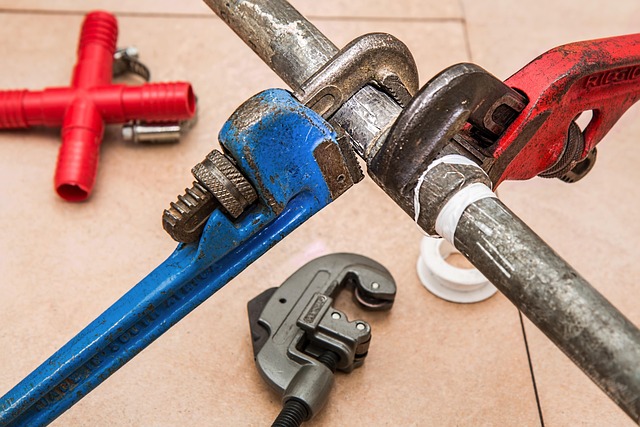
Understanding your home maintenance checklist is a crucial step for any homeowner or prospective borrower. A well-maintained home not only ensures higher property values but also creates a comfortable living environment. The home maintenance checklist goes beyond superficial checks; it involves understanding structural integrity, safety features, and energy efficiency. For borrowers, this checklist becomes a critical tool to assess their financial obligations and the overall condition of the property they’re investing in.
A comprehensive home maintenance checklist typically includes items like roof repairs, plumbing checks, electrical inspections, and HVAC maintenance. For instance, an American Housing Survey revealed that approximately 20% of U.S. homes require significant structural repairs. Regularly addressing these issues can prevent costly emergency repairs and reduce energy consumption. Borrowers should scrutinize the checklist to identify tasks that align with their budget and skills, seeking professional help when necessary.
One key aspect often overlooked is preventing moisture damage, a common issue that leads to mold growth and structural degradation. Ensuring proper ventilation, addressing leaks promptly, and using dehumidifiers in damp areas are essential measures. Moreover, a home maintenance checklist should emphasize the importance of regular cleaning and sealing of vents and ducts to maintain indoor air quality. These proactive steps not only enhance the home’s value but also contribute to the health and comfort of its occupants.
Incorporating the home maintenance checklist into your routine can seem daunting, but it becomes manageable with a structured approach. Many resources offer tailored checklists based on specific climates and home types. Borrowers should also consult with lenders who often provide guidance on borrower requirements related to home maintenance, ensuring both financial responsibility and property longevity. By understanding and adhering to these guidelines, homeowners can safeguard their investments and create a haven that stands the test of time.
Compiling a Comprehensive Home Inventory

Compiling a comprehensive home inventory is an essential component of any thorough home maintenance checklist, especially for borrowers looking to protect their investment. This detailed record serves as a roadmap for both homeowners and lenders, ensuring that all assets and potential risks are accounted for. A well-organized inventory not only facilitates efficient property management but also plays a critical role in the loan process, particularly during refinancing or sale scenarios where borrowers must demonstrate responsible stewardship of the property.
The first step in creating an effective home maintenance checklist is to document every item within your residence, from major appliances and fixtures to smaller personal belongings. Utilize high-quality photos for each asset, clearly showing its condition and location. For valuable items, consider insuring them separately, noting these details alongside their inventory entries. This meticulous approach ensures that any damage or loss can be swiftly identified and addressed. For instance, a 2019 study by the National Association of Realtors revealed that comprehensive home inventories led to faster resolution times for insurance claims, averaging 25% quicker than properties without detailed records.
Incorporating your home maintenance checklist borrower requirements into this process is straightforward. Lenders often request specific documentation as part of their loan assessment, and a well-compiled inventory simplifies this process. Include details on property improvements, repairs, and regular maintenance activities, ensuring these are aligned with industry standards. For example, borrowers looking to refinance might need to provide evidence of recent inspections, such as roof, plumbing, or electrical checks, all of which can be seamlessly documented within your home inventory. By maintaining an up-to-date list, homeowners can demonstrate their commitment to property upkeep, fostering a positive impression with lenders and ensuring a smoother financial transaction.
Regularly Scheduled Maintenance Tasks

Regularly scheduled maintenance tasks are the backbone of any comprehensive home maintenance checklist, especially for borrowers looking to secure their investment or maintain property value. A well-maintained home not only extends its lifespan but also enhances energy efficiency and reduces unexpected repair costs. Borrowers should prioritize routine checks on essential systems such as heating, ventilation, and air conditioning (HVAC), electrical panels, plumbing fixtures, and roofing materials. For instance, replacing air filters every 3–6 months can improve HVAC system efficiency by up to 15%, saving energy and money in the long run.
Creating a structured home maintenance checklist ensures no crucial tasks are overlooked. Borrowers should schedule regular inspections of their properties, ideally quarterly or biannually, to catch potential issues early. This proactive approach can prevent minor problems from escalating into costly repairs. For example, a simple check for water leaks in pipes and fixtures during winter months can avert significant damage caused by frozen pipes. A home maintenance checklist borrower requirements often include these preventive measures, emphasizing the importance of regular upkeep rather than reactive repairs.
In addition to system checks, exterior and interior inspections are vital. This includes examining windows and doors for drafts, checking siding and brickwork for signs of damage or erosion, and inspecting basements and attics for moisture or mold buildup. Regularly maintaining these areas not only enhances curb appeal but also protects against structural damage and health hazards. For instance, sealing gaps around windows and doors can reduce energy loss by up to 10%, contributing to both cost savings and environmental sustainability.
By integrating a home maintenance checklist borrower requirements into their property management strategies, borrowers can ensure the long-term viability of their investment. Regular maintenance not only preserves property value but also creates a comfortable living environment. It’s beneficial to document these tasks, track completion dates, and keep records for future reference or in case of mortgage or insurance claims. A well-maintained home is a secure investment, reflecting in its overall condition and market appeal.
Addressing Common Home Repair Needs

Addressing Common Home Repair Needs is a crucial aspect of home maintenance checklist every borrower should consider. The average homeowner often faces a variety of issues ranging from leaky faucets to electrical repairs, each demanding prompt attention to prevent minor problems from escalating into costly damages. A well-crafted home maintenance checklist serves as a strategic guide, helping owners stay proactive in addressing these common repair needs.
Regular inspection and upkeep are key components of any comprehensive home maintenance checklist borrower requirements dictate. For instance, checking for water leaks in fixtures, pipes, and appliances can help avoid extensive flooding and mold damage. Similarly, inspecting electrical panels and outlets for signs of wear or overheating is vital to ensure safety and prevent fire hazards. According to recent data, over 50% of residential fires are linked to electrical failures, underscoring the importance of regular electrical system maintenance.
Another critical area on a home maintenance checklist borrower requirements emphasize is structural integrity. Regular checks for loose or damaged siding, crumbling foundations, and sagging roofs not only enhance curb appeal but also safeguard against pest infestations and weather-related damage. For example, addressing roof leaks promptly can save thousands in potential water damage and structural repairs down the line. Additionally, maintaining a well-kept landscape contributes to overall property value, making it a practical investment for any homeowner.
Creating an actionable home maintenance checklist involves prioritizing tasks based on urgency and frequency. Implementing a routine inspection schedule—perhaps monthly, quarterly, or annually—ensures that common repair needs are addressed in a timely manner. This proactive approach not only extends the life of your home but also protects your significant investment. Remember, a well-maintained home is not just an asset; it’s a testament to your diligence and foresight.
Ensuring Safety and Security Measures
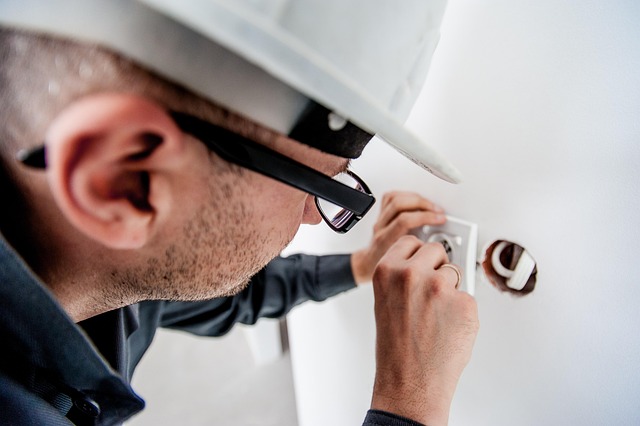
Ensuring safety and security is a paramount aspect of home maintenance, especially for borrowers looking to secure their investment. A comprehensive home maintenance checklist serves as a critical tool in this regard, helping owners identify and address potential hazards or vulnerabilities. This checklist should encompass both physical security measures and broader safety considerations. For instance, installing robust door locks, window security devices, and motion sensors can significantly deter unauthorized access, a key concern for many borrowers. Regularly testing smoke alarms, carbon monoxide detectors, and fire extinguishers is also vital; according to the National Fire Protection Association, working smoke alarms cut the risk of dying in a home fire by nearly half.
Borrowers should also consider structural integrity as part of their home maintenance routine. This includes inspecting the roof for leaks or damage, checking foundations for cracks, and ensuring proper drainage around the property to prevent water damage. Regular assessments can help catch issues early, preventing more severe—and costly—problems down the line. For example, a study by the Insurance Institute for Business & Home Safety found that homes with adequate storm protection sustained 35% less damage during severe weather events. Additionally, maintaining clear exit routes and keeping emergency supplies readily available is crucial for borrower safety, especially in the event of natural disasters or other emergencies.
A robust home maintenance checklist borrower requirements should also address potential environmental hazards. This includes testing for lead paint, asbestos, and mold, which can pose significant health risks. Simple preventative measures, such as regular painting, proper ventilation, and immediate attention to water leaks, can go a long way in mitigating these dangers. Moreover, keeping up with routine maintenance on appliances, heating systems, and air conditioning units ensures optimal performance and reduces the risk of sudden failures, which could lead to safety hazards or significant financial burdens for borrowers.
Seasonal Maintenance: Spring to Winter Adjustments
As the seasons change, so do the maintenance requirements for your home. A comprehensive home maintenance checklist is essential for borrowers looking to protect their investment and ensure a smooth living experience throughout the year. Spring through winter represents a significant shift in environmental conditions, demanding tailored adjustments to keep your property in top shape.
Springtime marks the beginning of warmer weather and heavier rainfall, necessitating tasks like cleaning gutters to prevent clogs and water damage. This is also the perfect time to inspect and replace any damaged or worn-out roof shingles before the next winter sets in. For borrowers, maintaining a regular home maintenance checklist during this season can help identify and address issues early on, reducing unexpected repair costs later. Additionally, considering energy efficiency measures like sealing gaps around doors and windows can significantly lower utility bills in the long run.
As summer transitions into fall, the focus shifts to preparing your home for cooler temperatures. This includes checking and servicing heating systems, ensuring proper ventilation, and insulating areas prone to drafts. Fall is also an ideal time to tackle landscaping tasks such as trimming trees and shrubs, cleaning outdoor drains, and storing garden tools. A well-maintained yard not only enhances curb appeal but can also prevent ice build-up around your home during winter, reducing the risk of structural damage from frozen pipes.
Winter brings unique challenges like frost, snow, and harsh winds, requiring specific measures to safeguard your property. Insulating exterior walls, checking for and sealing any cracks or gaps in windows and doors, and installing weatherstripping are crucial steps to prevent heat loss. Regularly inspecting and clearing snow from gutters and downspouts is also vital to avoid clogs and water damage. For borrowers with home maintenance checklist responsibilities, understanding these seasonal adjustments can significantly contribute to maintaining the value of their investment and ensuring a comfortable living environment throughout all four seasons.