
A comprehensive home maintenance checklist is essential for responsible homeowners, ensuring structural integrity, longevity, and property value. It guides upkeep, from semiannual exterior inspections to seasonal tasks, addressing both regular and preventive measures. Regular review, updates, and adherence enhance home safety, comfort, financial security, and lending decisions. This checklist enables proactive issue anticipation and informed repair decisions, contributing to responsible ownership.
Maintaining a home is an ongoing endeavor that requires vigilance, organization, and a systematic approach. For consumers, staying on top of various maintenance tasks can be daunting, leading to potential issues that may go unnoticed until they escalate. This comprehensive article offers a practical solution by providing an authoritative guide to creating and implementing a comprehensive home maintenance checklist. By following this structured approach, homeowners can ensure the longevity and optimal condition of their properties, saving time, money, and stress in the long run.
Understanding Your Home Maintenance Checklist
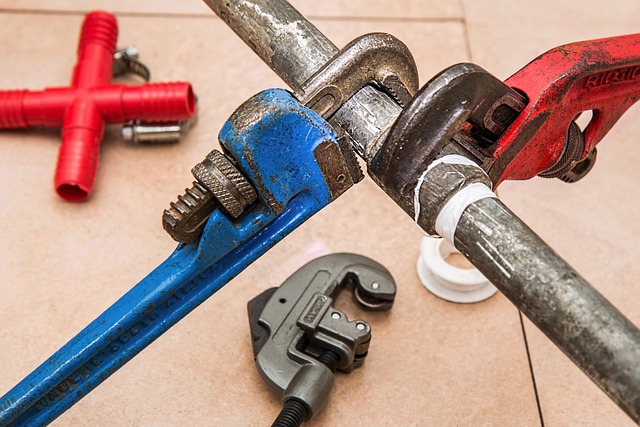
Understanding your home maintenance checklist is a crucial aspect of responsible homeownership. As a borrower or homeowner, regular upkeep ensures not only the structural integrity of your property but also its longevity and value. A comprehensive home maintenance checklist isn’t just about fixing leaks and replacing batteries; it involves proactive measures to prevent costly repairs down the line. Consider it a roadmap to keeping your home in optimal condition.
A key element in this process is aligning your checklist with borrower requirements. Lenders, for instance, often have specific expectations regarding property conditions before and after purchase. Incorporating items like roof inspections, pest control treatments, and routine HVAC maintenance can satisfy these criteria and potentially avoid future financing hurdles. For example, maintaining a clear 3-foot perimeter around your home free from debris and potential fire hazards is not only safety-focused but also addresses common lending concerns.
Creating an effective checklist involves customizing it to your climate, living space, and lifestyle. A home in a humid region will require more frequent air conditioner maintenance compared to one in a drier area. Similarly, homeowners with pets need to address specific cleaning and sanitation tasks not applicable to pet-free dwellings. Regularly reviewing and updating your checklist based on seasonal changes and life events ensures that every aspect of your home is given the attention it deserves.
Data supports the importance of proactive maintenance. Studies show that well-maintained homes retain value better, command higher rental prices, and reduce energy costs over time. For borrowers, this translates into a stronger financial position and potentially lower borrowing costs. Therefore, treating your home maintenance checklist as an integral part of your ownership journey is not only practical but also financially savvy.
Assessing Regular Maintenance Tasks at Home

Home maintenance is a year-round endeavor for homeowners, encompassing a wide array of tasks that can be easily overlooked if not systematically approached. A comprehensive home maintenance checklist serves as a crucial tool for borrowers and property owners alike, ensuring that homes remain in good condition and maximizing the longevity of investments. This section delves into the practical aspects of assessing regular maintenance tasks, offering insights tailored to meet borrower requirements.
Beginning with exterior inspections, borrowers should include semiannual checks for roof damage, loose siding, or fading paint. These routine assessments not only protect against structural issues but also contribute to energy efficiency by ensuring that attics and walls are properly sealed. For instance, a study by the Energy Department revealed that homes with adequate insulation and sealing can reduce energy bills by up to 20%. Regular window and door maintenance is equally vital; checking for cracks or gaps around fixtures and replacing worn-out weatherstripping can significantly enhance a home’s thermal performance.
Interior upkeep should be just as meticulous, focusing on essential systems like heating, ventilation, and air conditioning (HVAC). Borrowers are advised to schedule professional inspections annually to ensure these systems operate efficiently, preventing costly breakdowns. Regular vacuum cleaning and deep scrubbing of surfaces not only maintain aesthetics but also promote healthier living environments. Moreover, addressing plumbing issues promptly—such as checking for leaks or replacing old fixtures—can save borrowers from significant water damage and costly repairs. A home maintenance checklist borrower requirements should incorporate monthly checks for water heater pressure and annual inspections of sump pumps to mitigate potential disasters.
Beyond these core elements, a thorough home maintenance checklist should encompass seasonal tasks tailored to regional climates. For example, in areas prone to severe winters, borrowers might include tasks like clearing gutters of debris and insulating pipes to prevent freezing. Conversely, during summers, checking air conditioners, cleaning dehumidifiers, and sealing cracks around doors and windows are crucial for energy conservation. By integrating these practices into their routines, borrowers can safeguard their investments, enhance comfort, and ensure the long-term value of their homes.
Creating a Comprehensive Annual Checklist

Maintaining a home is an ongoing process that requires dedication and organization. For borrowers especially, staying on top of regular upkeep can be crucial in ensuring property value and avoiding costly repairs down the line. This is where a comprehensive annual home maintenance checklist comes into play as an indispensable tool for homeowners. By implementing a structured routine, residents can proactively address potential issues before they escalate, ultimately saving time and money.
A well-crafted home maintenance checklist should cover all aspects of your property, from structural integrity to energy efficiency. Start with a thorough inspection of the exterior, including roof, siding, and gutters. Look for signs of wear and tear, such as missing shingles or clogs that could lead to water damage. The interior demands equal attention; check for leaky faucets, worn-out appliances, and outdated electrical systems. Regular cleaning and sealing of air ducts can also improve energy efficiency.
Creating an annual checklist involves breaking down maintenance tasks by season. For instance, spring might focus on deep cleaning and spring-specific repairs like repairing damaged winter gear or replacing air filters. Summer could prioritize outdoor tasks such as landscaping, pool maintenance, and checking for pest infestations. Fall offers opportunities to prepare for colder months with tasks like insulating pipes, testing smoke detectors, and trimming trees. Winter, meanwhile, demands attention on heating systems, snow removal, and sealing cracks to keep out drafts. Borrowers should tailor their checklists based on regional climates and specific home features, ensuring they meet borrower requirements set by lenders or financial institutions.
Regularly updating and referring to your home maintenance checklist is essential for maintaining a safe, comfortable, and financially stable living environment. It empowers homeowners to take proactive measures, anticipate potential issues, and make informed decisions about repairs, thus safeguarding their investment.
Essential Safety Checks for Your Home

Maintaining a safe home environment is paramount for any homeowner or prospective borrower. A comprehensive home maintenance checklist serves as a critical tool to ensure these essentials are addressed. Essential safety checks form the backbone of this process, focusing on structural integrity, fire prevention, and security measures. Borrowers often find themselves navigating complex financial decisions when purchasing a home; thus, understanding these checks is vital for both peace of mind and responsible borrowing.
Regular inspections can uncover potential hazards, from faulty wiring to crumbling foundations. For instance, identifying and repairing electrical issues early can prevent severe damage or fire risks. Similarly, checking for water leaks in pipes, roofs, and basements not only saves on costly repairs but also mitigates the risk of mold growth, a common concern for many borrowers. A thorough home maintenance checklist should include specific guidelines for these checks, ensuring no stone is left unturned. This proactive approach empowers homeowners to take control and makes it easier for lenders to assess borrower readiness when financing a property.
In addition to structural safety, fire prevention systems are a non-negotiable part of any comprehensive home maintenance regimen. Checking smoke detectors and carbon monoxide alarms ensures these life-saving devices operate correctly. Regular battery replacements and professional inspections of sprinkler systems can greatly enhance safety. Moreover, securing your home with robust locks, alarm systems, and security cameras not only adds an extra layer of protection but is often a requirement for many mortgage lenders to ensure the property’s value and the borrower’s financial security.
Creating and adhering to a detailed home maintenance checklist is a practical way to stay on top of these critical safety measures. This proactive approach allows homeowners to address issues promptly, ensuring a secure living environment. For borrowers, it demonstrates a responsible attitude towards their future investment, which can positively impact their lending decisions and terms.
Upkeeping Your Home's Interior and Exteriors

Maintaining a home is an ongoing process that requires dedication and a systematic approach to keep it in excellent condition. This comprehensive guide aims to empower homeowners with a practical understanding of upkeep, focusing on both interior and exterior aspects crucial for a healthy living environment. A well-kept home not only enhances aesthetics but also contributes to the longevity of its structure.
Starting with the interior, regular inspections are key. Homeowners should establish a routine check for potential issues such as water leaks, mold growth, or electrical problems. Addressing these early can prevent minor inconveniences from turning into costly repairs. For instance, checking for water stains on ceilings or walls, especially in areas prone to condensation, is essential. A detailed home maintenance checklist should include tasks like inspecting pipes for corrosion, testing smoke detectors, and replacing air filters regularly. Taking care of these basic yet vital aspects ensures a comfortable and safe living space.
Exterior maintenance is equally important, often requiring more intensive efforts but offering significant long-term benefits. Regular cleaning and sealing of surfaces protect against environmental damage. For example, washing exterior walls removes dirt and algae buildup, while applying sealant to wooden structures prevents rot and decay. A home maintenance checklist borrower requirements should emphasize the importance of seasonal upkeep—a spring deep clean and fall preparation being paramount. This includes tasks like clearing gutters, sealing cracks, and preparing outdoor areas for harsher weather conditions. Proper exterior maintenance not only preserves the curb appeal but also protects the overall structural integrity of the home.
By adhering to a comprehensive home maintenance checklist, borrowers can ensure their homes remain in top condition. Regular care not only enhances property value but also provides peace of mind, knowing potential problems are addressed before they escalate. This proactive approach is an integral part of responsible homeownership and contributes to a more stable and secure living environment.
Budgeting and Planning for Home Maintenance
Maintaining a home is an ongoing commitment that requires strategic planning and financial discipline. For borrowers especially, budgeting for home maintenance checklist items can seem daunting but is crucial to prevent costly surprises and ensure long-term comfort and safety. A comprehensive home maintenance checklist should be viewed as a roadmap to proactive property care, allowing homeowners to anticipate and address potential issues before they escalate.
The first step in responsible home ownership is understanding the diverse range of tasks encompassed within a home maintenance checklist. This encompasses everything from routine cleaning and minor repairs to major system upgrades and preventative measures against damage or deterioration. For borrowers, prioritizing these tasks based on urgency and budget availability is essential. A well-crafted checklist will break down these responsibilities into manageable segments, aligning with various stages of home ownership. Regularly reviewing and updating this checklist ensures that no aspect of your property goes unnoticed or unaddressed.
Creating a realistic budget for maintenance is a key component of responsible borrowing. Homeowners should allocate funds specifically for unexpected repairs as well as scheduled maintenance tasks. A prudent approach involves setting aside a portion of your monthly income—approximately 1-2% according to industry experts—to cover these expenses. For instance, a $300-$600 monthly reserve can comfortably accommodate many minor maintenance issues while providing some leeway for unexpected costs. This proactive measure not only prevents financial strain but also fosters a sense of control and peace of mind. Borrowers should also factor in the long-term benefits of regular upkeep, such as prolonging the lifespan of appliances, fixtures, and structural elements, thereby reducing future replacement costs.