
A comprehensive home maintenance checklist is vital for first-time homebuyers to ensure property safety, efficiency, and value. It guides inspections of structural elements, systems like plumbing and electrical work, energy efficiency, pest control, and exterior maintenance. Regular checks prevent costly repairs, reduce energy costs, and enhance home value. Borrowers should also be aware of regional borrower requirements in loan agreements. Proactive maintenance ensures a comfortable living environment and preserves investment.
First-time homebuyers often find themselves overwhelmed by the vast array of tasks involved in maintaining a home. This can lead to costly mistakes or overlooked issues that compound over time. A comprehensive home maintenance checklist serves as a crucial guide, empowering buyers to navigate this new chapter confidently. This article delves into the essential elements of such a checklist, providing an authoritative resource for ensuring your new home remains in top condition, from structural integrity to everyday upkeep. By arming yourself with this knowledge, you’ll be well-prepared to maintain and even enhance the value of your investment.
Understanding Your Home Maintenance Checklist
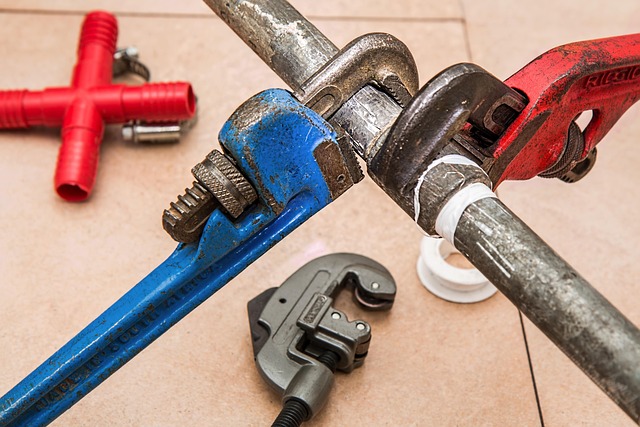
Understanding Your Home Maintenance Checklist is a crucial step for first-time homebuyers. A comprehensive checklist serves as a roadmap, guiding borrowers through the often complex world of home maintenance responsibilities. This tool isn’t just about ensuring a property’s physical integrity; it’s also about empowering buyers to make informed decisions, set realistic expectations, and plan for both immediate and long-term costs.
A thorough home maintenance checklist should cover everything from structural elements like roofs, foundations, and walls to more subtle aspects such as plumbing, electrical systems, and HVAC efficiency. For instance, borrowers should scrutinize the condition of the roof, checking for missing or damaged shingles, signs of water damage, or excessive wear. Similarly, assessing the state of the plumbing involves examining pipes for leaks, rust, and scale buildup, along with testing water pressure and flow rates.
Borrowers should also delve into the checklist’s borrower requirements section to understand specific maintenance needs related to financing. Lenders often have guidelines regarding minimum property standards, including acceptable levels of insulation, efficient heating and cooling systems, and up-to-code electrical installations. Adhering to these standards not only ensures a safe living environment but can also positively impact the loan process. Data suggests that well-maintained homes are more attractive to lenders, potentially leading to better loan terms and lower interest rates for borrowers.
Regular maintenance checks, as outlined in the checklist, offer numerous benefits. They help prevent minor issues from escalating into major repairs, reduce energy consumption, and increase the property’s overall value. Moreover, proactive homeowners often enjoy lower insurance premiums and can anticipate a smoother resale process when the time comes to sell their investment. By embracing their role as stewards of the property, first-time buyers can ensure their home maintenance checklist isn’t just a checklist but a blueprint for a secure and fulfilling ownership experience.
Essential Items on Every First-Time Buyer's List

For first-time homebuyers, navigating the home buying process involves more than just securing financing and finding a desirable property. A comprehensive home maintenance checklist is essential to ensure a smooth transition from house hunter to proud homeowner. This list goes beyond basic inspections; it encompasses crucial tasks that address both immediate and long-term maintenance needs.
Consider these as non-negotiable items on every first-time buyer’s list: structural integrity checks, including roof, foundation, and plumbing inspections; assessing the age and condition of major appliances; verifying heating, ventilation, and air conditioning (HVAC) systems’ efficiency; and identifying potential safety hazards like faulty electrical wiring or outdated fire alarms. A thorough home maintenance checklist also delves into the property’s history, scrutinizing previous repairs, known issues, and any ongoing maintenance contracts.
Furthermore, first-time buyers should prioritize tasks that promote energy efficiency and long-term savings. This might include evaluating insulation levels, checking for double-paned windows, and assessing energy consumption patterns. Incorporating these items into a home maintenance checklist ensures borrowers are not only investing in a safe and desirable property but also making an informed decision that aligns with their financial goals and sustainability aspirations. Data suggests that homes with excellent energy efficiency can offer significant cost savings over time, translating to greater financial stability for new homeowners.
Regular Checks to Prevent Major Repairs

For first-time homebuyers, navigating the process of purchasing a home can be both exciting and daunting. Among the many considerations, establishing a robust home maintenance checklist is essential to ensure a smooth transition into homeownership and prevent costly repairs down the line. Regular checks are a vital component of this checklist, designed to identify potential issues early on, thereby preventing them from escalating into major repair requirements.
A systematic approach to home maintenance starts with a thorough inspection of the property’s structural elements, such as the roof, foundation, and framing. For instance, checking for loose or damaged shingles during seasonal changes can avert water damage and roof replacements. Similarly, examining the foundation for cracks or signs of movement is crucial, as these could indicate more substantial structural problems. Regular maintenance in these areas not only preserves the home’s value but also offers peace of mind to borrowers. According to a recent study, proper yearly maintenance can reduce repair costs by up to 25%, making it an attractive investment for new homeowners.
In addition to structural checks, focusing on essential systems like plumbing and electrical wiring is paramount. Regularly testing and replacing outdated or faulty components can prevent unexpected failures that might disrupt daily life and incur significant expenses. For instance, old water heaters have a higher risk of leaking, causing extensive damage. Regular maintenance allows for the early detection and repair of such issues, ensuring these systems operate efficiently and safely. Borrowers should also familiarize themselves with home maintenance checklist borrower requirements specific to their region and mortgage lender, as some may mandate regular inspections as part of loan agreements.
Furthermore, maintaining a proactive mindset extends to addressing potential pest infestations. Regular inspections for signs of rodents, termites, or other pests can prevent significant structural damage and costly treatments. Keeping the home clean and sealing entry points is an effective preventive measure. Lastly, staying on top of landscaping and exterior maintenance is vital. Clearing debris from gutters annually prevents clogs, ensuring proper drainage and avoiding water damage to the foundation. These regular checks not only contribute to a well-maintained home but also demonstrate responsible borrowing practices, enhancing the long-term value of the property.
Common Issues: Spotting and Addressing Problems Early
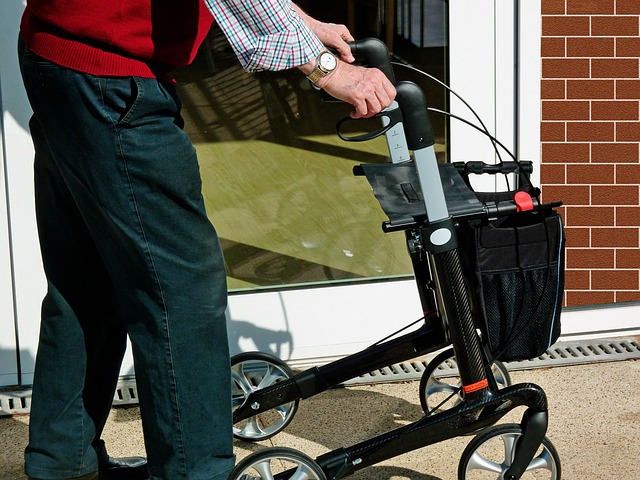
First-time homebuyers often overlook the importance of a thorough home inspection and maintenance checklist, leading to costly repairs after moving in. This is especially true for older homes or those with unique architectural features. A comprehensive home maintenance checklist isn’t just about ticking off items; it’s a proactive approach to ensure your new home remains in excellent condition. Identifying common issues early can prevent major problems down the line, saving you time and money.
Focus on structural elements like roofs, foundations, and walls. Check for signs of water damage, mold, or pest infestations, as these issues can compromise the integrity of your home. For instance, a simple leak in the attic could lead to significant structural decay over time, as seen in numerous case studies. Regularly inspect windows and doors for proper sealing, drafty areas indicating potential energy inefficiencies, and signs of break-ins or damage. A home maintenance checklist borrower requirements often includes routine assessments of these critical components.
Mechanical systems deserve equal attention. Check the age and condition of appliances, HVAC units, and plumbing. Older systems might require immediate replacement to avoid failure during cold or hot seasons, which can be costly emergency repairs. Consider the energy efficiency of your home; newer appliances and insulation can significantly lower utility bills. Regular maintenance, as dictated by a thorough home maintenance checklist borrower requirements, can extend the lifespan of these systems and reduce long-term costs.
Lastly, don’t overlook the aesthetic and safety aspects. Inspect flooring for signs of damage or water stains, which might point to underlying issues. Check electrical outlets and switches for loose connections or flickering lights—red flags indicating potential wiring problems. Regularly maintain outdoor areas, including landscaping and fencing, to ensure they meet local safety standards. A well-maintained home not only increases its value but also provides a safe and comfortable living environment.
Maintaining Your New Home Long-Term: Tips & Tricks
Keeping your new home in top shape is an ongoing commitment, especially for first-time buyers. While a thorough home inspection before purchasing is crucial, regular maintenance thereafter ensures you avoid costly repairs and maximize your investment. A comprehensive home maintenance checklist isn’t just about ticking boxes; it’s a proactive approach to sustaining the value and comfort of your abode.
Focus on key areas like roofing, plumbing, and electrical systems, which often pose significant repair challenges when neglected. For instance, regular cleaning of gutters and downspouts prevents clogs, ensuring proper drainage and averting water damage. Similarly, periodic inspection and maintenance of heating and cooling systems can significantly improve efficiency, reduce energy bills, and prolong their lifespan. Remember that a home maintenance checklist borrower requirements often includes timely inspections to prevent issues from escalating and affecting mortgage agreements.
Don’t underestimate the importance of routine checks on interior elements such as walls, floors, and appliances. Small cracks in foundations or mold buildup can signal larger structural problems. Regularly testing smoke and carbon monoxide detectors, along with fire extinguishers, is vital for safety. Additionally, keeping a watchful eye on potential pest infestations and addressing them promptly prevents extensive damage.
Invest time in learning your home’s specific needs and establishing a maintenance schedule. Many online resources offer tailored checklists based on climate, housing type, and age. Consider enlisting the help of professionals for specialized tasks, ensuring work is done efficiently and safely. By embracing proactive maintenance, you turn your new home into a long-lasting sanctuary rather than just a place to live.