
Regular home maintenance through a structured checklist is vital for homeowners. It preserves property value, ensures safety, and meets mortgage requirements by preventing costly repairs. The checklist organizes tasks by frequency, from daily to annual checks, covering critical areas like plumbing, HVAC, electrical, pest control, and roof maintenance. Documentation of maintenance efforts is crucial for borrowers, enhancing tracking and providing proof to lenders. Adherence to a routine ensures the home's longevity, enhances living quality, and promotes financial stability.
Maintaining a home is a complex task that requires consistent attention to detail. With numerous systems, features, and potential issues to consider, homeowners often struggle to stay on top of everything. This is where a comprehensive home maintenance checklist becomes an invaluable tool. By providing a structured approach, this checklist ensures no critical area is overlooked, empowering consumers to take control of their property’s upkeep. In this article, we offer an authoritative guide, detailing the essential elements of home maintenance and offering practical tips to create a robust checklist tailored to your needs.
Understanding the Importance of Regular Home Maintenance
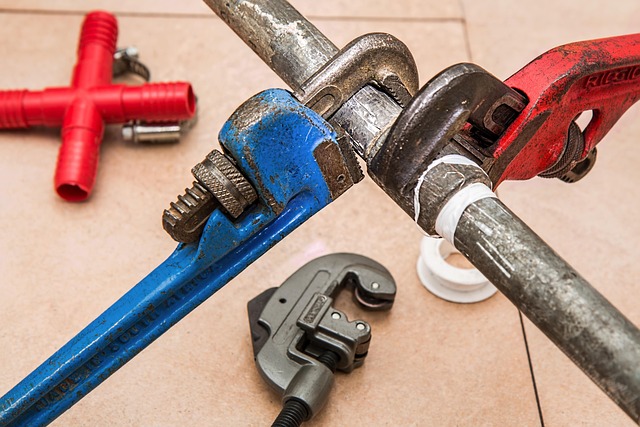
Regular home maintenance is an essential aspect of responsible homeownership, often overlooked yet critical for ensuring the longevity and value of a property. A well-maintained home not only extends its lifespan but also serves as a solid investment, especially for borrowers looking to secure long-term financial stability. The home maintenance checklist becomes a borrower’s compass, guiding them through the intricate process of keeping their home in prime condition. This proactive approach not only preserves the property’s value but also ensures a comfortable and safe living environment.
For borrowers, understanding the significance of regular maintenance is pivotal. A routine inspection and adherence to a comprehensive checklist can prevent costly repairs and unexpected issues. For instance, a simple check of the roof, gutters, and plumbing can avert major disasters like water damage or structural instability. The home maintenance checklist borrower requirements often emphasize timely checks and repairs, especially for critical systems such as heating, ventilation, and air conditioning (HVAC), which, if neglected, can lead to significant energy inefficiencies and costly replacements. Regular maintenance also involves examining electrical systems, ensuring smoke and carbon monoxide detectors are functional, and addressing any signs of pest infestation, all of which are crucial for the safety and well-being of occupants.
Moreover, maintaining a detailed home maintenance checklist can help borrowers stay organized, ensuring that no task is left unaddressed. It encourages a proactive mindset, allowing homeowners to budget for maintenance costs effectively. For instance, a borrower might schedule annual check-ups for appliances, furnaces, and air conditioners, replacing parts as needed to avoid sudden failures. This disciplined approach to maintenance not only safeguards the home’s structural integrity but also ensures that borrowers are well-prepared for any potential challenges, thereby fostering a sense of security and peace of mind.
Creating Your Comprehensive Home Maintenance Checklist

Creating a comprehensive home maintenance checklist is an essential step for any homeowner or prospective borrower. It serves as a guide to ensure regular upkeep, prevent costly repairs, and maintain the value of your property. A well-crafted checklist accounts for both routine tasks and seasonal specifics, addressing structural integrity, safety, and cosmetic considerations. For borrowers, this becomes a vital tool in managing their investment and fulfilling mortgage requirements.
Start by categorizing tasks based on frequency: daily, weekly, monthly, and annually. Include essential checks like inspecting plumbing for leaks, testing smoke detectors, and checking roof shingles for damage. Seasonal maintenance, such as preparing for winter weather or springtime repairs, should also be detailed. For instance, borrowers in snowy regions must include routine checks on snow-related equipment and exterior clearances to meet local codes. Regular deep cleaning and minor cosmetic touch-ups are equally important for maintaining curb appeal and indoor air quality.
A comprehensive home maintenance checklist borrower requirements often extend beyond individual tasks. Lenders may demand proof of regular maintenance as part of property inspection procedures, especially during the loan origination process or when considering refinancing. This can be as simple as keeping a logbook documenting completed repairs and upkeep or providing receipts for significant expenditures. Moreover, borrowers should anticipate potential cost savings by adhering to preventive maintenance practices, which can reduce the likelihood of major, unexpected repairs.
Implementing and Staying Consistent with Your Home Maintenance Routine

Maintaining a home is a year-round endeavor that requires consistent effort and a well-structured routine. For borrowers, especially those with mortgages, staying on top of home maintenance not only ensures the property’s value but also plays a crucial role in avoiding costly repairs and unexpected financial burdens. A comprehensive home maintenance checklist serves as a borrower’s best ally, offering a systematic approach to keeping their investment in top shape.
Implementing a regular maintenance schedule involves several key steps. First, homeowners should conduct thorough inspections, focusing on both visible and hidden areas. This includes checking for water leaks, examining electrical systems, and assessing the condition of the roof and plumbing. A systematic approach, such as monthly, quarterly, and annual inspections, ensures no issue goes unnoticed. For instance, a simple check for mold in basements and attics can prevent significant structural damage and health risks.
Staying consistent with home maintenance requires discipline and organization. Homeowners should prioritize tasks based on urgency and importance, using their checklist as a guide. Regularly scheduled maintenance, like cleaning gutters and changing air filters, prevents minor issues from escalating. Many lenders also require borrowers to keep detailed records of maintenance activities, especially for properties with home loans. This is not only beneficial for tracking but also for potential future reference when selling or refinancing. By adhering to a maintenance routine, borrowers can ensure their homes remain in excellent condition, enhancing their living quality and financial stability.