
Regular home maintenance, guided by a tailored home maintenance checklist, is essential for property owners to prevent major repairs, enhance energy efficiency, preserve home value, and demonstrate responsible stewardship. This proactive approach benefits borrowers with financial stability, improved credit scores, and better loan terms. Annual inspections cover general and season-specific checks, focusing on roof, water leaks, insulation, electrical panels, plumbing, HVAC systems, pest control, mold prevention, structural integrity, and eco-friendly upgrades to ensure a safe, comfortable home.
Home maintenance is a cornerstone of property ownership, yet many find it overwhelming or overlook essential tasks. This comprehensive guide steps into the gap by offering an authoritative home maintenance checklist—a practical tool for property owners to ensure their homes remain safe, comfortable, and valuable. Drawing from years of professional experience, this article delves into crucial areas often overlooked, empowering readers with the knowledge to maintain their properties effectively. By adhering to a structured checklist, homeowners can avoid costly repairs, enhance comfort, and maximize their investment’s longevity.
Understanding the Importance of Regular Maintenance
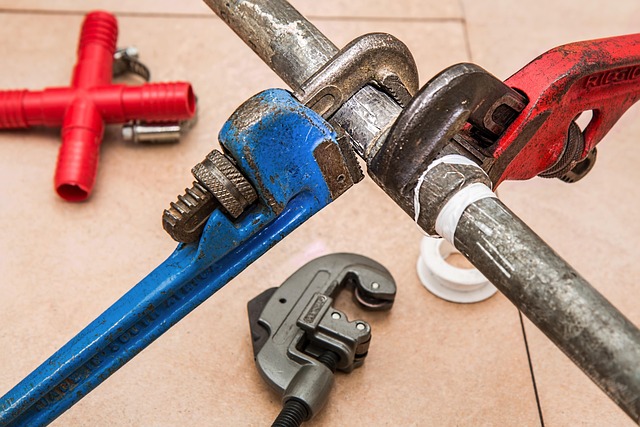
Regular home maintenance is an essential aspect of property ownership often overlooked until issues become critical and costly to rectify. A proactive approach through consistent upkeep can prevent major repairs, enhance energy efficiency, and preserve the value of a home. Borrowers, in particular, should prioritize routine maintenance as it directly impacts their financial health and the longevity of their investment.
A well-maintained home acts as a strong foundation for borrowers seeking long-term financial stability. A comprehensive home maintenance checklist becomes a borrower’s best friend, guiding them through tasks that safeguard their asset. This proactive approach not only avoids unexpected breakdowns but also demonstrates responsible stewardship of the property, which can be advantageous when it comes to future refinancing or resale value. For instance, regular inspection and maintenance of roofing, plumbing, and electrical systems – often cited as leading causes of home damage – can prevent catastrophic failures and substantial repair bills.
Beyond individual savings, preventative maintenance contributes to a more sustainable and resilient housing market. According to the National Association of Home Builders (NAHB), homes that undergo regular maintenance require 25% less energy on average, reducing utility costs for owners and lowering overall environmental impact. This data underscores the interconnectedness of responsible homeownership; a well-cared-for property benefits not only its owner but also the broader community. By embracing a proactive approach through adherence to a rigorous home maintenance checklist, borrowers can ensure their homes remain safe, comfortable, and valuable investments for years to come.
Creating Your Comprehensive Home Maintenance Checklist

Creating a comprehensive home maintenance checklist is an essential practice for any property owner looking to maintain their investment and ensure long-term financial stability. This tool serves as a strategic guide, helping owners stay on top of regular upkeep tasks and potential red flags that could impact value. A well-crafted checklist goes beyond surface-level cleaning; it encompasses structural integrity checks, system maintenance, and even preventative measures to avoid costly repairs down the line.
For borrowers, in particular, a robust home maintenance checklist is crucial for understanding and fulfilling their responsibilities as homeowners. Lenders often require borrowers to demonstrate proactive property care, especially during the loan application process and throughout the lifespan of the mortgage. Incorporating regular inspections into your routine can help you identify issues early on, potentially saving you significant time and money. For instance, a yearly roof inspection could reveal minor leaks that, left unaddressed, could escalate into major structural problems. Similarly, maintaining HVAC systems through seasonal servicing can enhance energy efficiency and extend the life of these critical components.
A comprehensive checklist should be tailored to your specific property type and age. For older homes, focus on thorough inspections for potential lead paint, asbestos, or outdated electrical systems that may require expert attention. Conversely, newer constructions might require more frequent checks on warranties and smart home integrations. Regularity is key; aim for monthly, quarterly, and annual tasks to ensure no area of your property is overlooked. By adhering to a structured maintenance regimen, borrowers can not only protect their investment but also cultivate a deep understanding of their home’s needs, fostering a sense of stewardship and long-term financial responsibility.
Prioritizing Essential Tasks for Optimal Property Care

Maintaining a home is an ongoing endeavor that requires dedication and organization. For property owners, especially those with mortgages, prioritizing essential tasks in a comprehensive home maintenance checklist is crucial for both property value preservation and fulfilling borrower requirements. Lenders often prioritize properties that are well-maintained, reflecting responsible ownership. This section provides expert insights on navigating the critical aspects of home care.
A strategic approach begins with identifying the most pressing issues. Roof repairs top many checklists due to their structural significance and potential for severe damage during weather events. Regular inspections can prevent costly replacements by catching leaks or wear early. Similarly, addressing plumbing issues promptly avoids extensive water damage, a common concern for borrowers. Timely maintenance of heating and cooling systems is another vital aspect; efficient operations translate to lower utility bills and better indoor comfort, aligning with borrower expectations of responsible home ownership.
The home maintenance checklist should also include regular painting to prevent wood rot and maintain curb appeal—a factor that significantly impacts property value. Additionally, focusing on window and door sealing ensures energy efficiency, reducing mortgage-related energy costs. Borrowers benefit from these efforts as well, as a well-maintained home often translates to better credit scores and more favorable loan terms in the future. Ultimately, proactive maintenance fosters a safe, comfortable living environment while showcasing responsible stewardship of the property.
Staying Ahead: Annual Checks and Long-Term Prevention Strategies
Staying Ahead of Maintenance: Annual Checks and Long-Term Strategies
For property owners, proactive home maintenance is more than just keeping a clean and functional living space; it’s an investment in the long-term value and safety of your asset. A well-maintained home not only preserves its physical structure but can also protect against costly repairs and unexpected disasters. This is where a comprehensive annual home maintenance checklist comes into play, serving as a guide to ensure everything runs smoothly. Beyond merely checking off tasks, these checklists should be viewed as strategic tools for preventing major issues down the line, ultimately aligning with borrower requirements for responsible property ownership.
An annual home maintenance routine should encompass both general inspections and targeted checks specific to different seasons. For instance, fall may involve examining the roof for damage after potential storms, while spring could focus on checking for water leaks and ensuring heating systems are in optimal condition. Regularly reviewing insulation, electrical panels, plumbing fixtures, and HVAC systems is crucial, as data suggests that many home fires and flooding events could be prevented through routine maintenance. A borrower-focused approach would emphasize these critical areas, aligning with lending guidelines that prioritize property safety and longevity.
Long-term prevention strategies extend beyond annual checklists. Implementing measures to protect against common issues like pest infestations, mold growth, and structural deterioration is essential. This includes sealing entry points for pests, investing in quality humidity control solutions, and regularly inspecting the foundation and exterior walls. Consider also the environmental impact of your maintenance choices; energy-efficient upgrades not only reduce utility bills but enhance a property’s appeal to eco-conscious borrowers. By integrating these proactive strategies into their home maintenance checklist borrower requirements, owners can ensure their homes remain in excellent condition for years to come.