
A home maintenance checklist is a crucial tool for responsible property ownership, ensuring structural integrity, enhancing value, and prolonging a home's lifespan. Borrowers with mortgages must adhere to lender guidelines, focusing on tasks like termite inspections. Creating an effective checklist involves evaluating age, construction type, climate, and consulting professionals. Tasks should be categorized by urgency and performed regularly, with monthly proactive activities key. Regular updates and inspections mitigate risks, reduce repair costs by 20-30%, and extend the home's lifespan.
In the dynamic landscape of property ownership, maintaining a home in top condition is a relentless endeavor. The sheer complexity of tasks, from routine inspections to major repairs, can overwhelm even the most diligent owners. This comprehensive guide aims to empower property proprietors by offering an authoritative home maintenance checklist—a roadmap to ensuring your sanctuary remains safe, functional, and aesthetically pleasing. Herein, we demystify the process, providing expert insights tailored to address every facet of home upkeep, from structural integrity to cosmetic considerations.
Understanding Your Home Maintenance Checklist
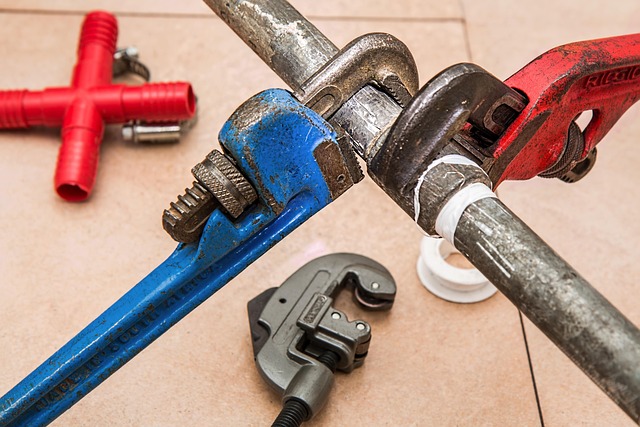
Understanding your home maintenance checklist is a crucial aspect of being a responsible property owner. A well-maintained home not only ensures its structural integrity but also enhances its value and longevity. The home maintenance checklist serves as a strategic guide to keeping your property in optimal condition, addressing potential issues proactively before they escalate. It’s not merely a list of tasks; it’s a framework for comprehensive care that every homeowner should familiarize themselves with.
For borrowers, especially those with mortgages, maintaining their homes is not just a recommendation but a requirement. Lenders often include specific home maintenance checklist borrower requirements in loan agreements to safeguard their investments and ensure the property remains insurable. These requirements can cover a wide range of areas, from routine inspections to major repairs, highlighting the importance of proactive maintenance. For instance, many lenders mandate regular roof inspections, as a neglected roofing system can lead to significant water damage and structural instability, both costly fixes.
Creating an effective home maintenance checklist involves several steps. Start by evaluating your property’s age, construction type, and local climate, as these factors influence maintenance needs. Consider consulting with industry professionals who can provide insights into common issues specific to your area. For instance, in regions prone to severe winters, addressing insulation and heating system efficiency is crucial. Once identified, tasks should be categorized by urgency and priority, ensuring that critical issues like plumbing leaks or structural damage are addressed promptly. Regular inspections should become a part of your routine, allowing for early detection of potential problems. Implement a systematic approach, setting aside dedicated time each month for maintenance activities, which will foster a proactive rather than reactive mindset.
Compiling a Comprehensive Home Maintenance List

Maintaining a home is an ongoing process that requires dedicated attention to detail. For property owners, compiling a comprehensive home maintenance checklist is a crucial step in ensuring the longevity and value of their investment. This checklist serves as a strategic guide, enabling proactive management and preventing costly repairs down the line. It’s not just about ticking boxes; it involves a deep understanding of your home’s systems and components to address potential issues before they escalate.
A robust home maintenance checklist should encompass various aspects, from structural integrity to energy efficiency. For instance, regularly inspecting roofing, siding, and gutters is essential to guard against water damage and pest intrusion. As per industry standards, it’s recommended that roofs be inspected annually and replaced every 20-30 years. Similarly, heating, ventilation, and air conditioning (HVAC) systems require routine maintenance, including filter changes and annual professional servicing, to ensure optimal performance and indoor air quality. Homeowners should also prioritize plumbing checks, such as inspecting pipes for leaks or corrosion, to avoid costly water damage.
Creating an effective home maintenance checklist tailored to borrower requirements involves considering both common wear-and-tear issues and specific loan conditions. Lenders often have their own set of guidelines, emphasizing certain aspects like pest control, electrical safety, and structural inspections. For instance, a mortgage lender might require an annual termite inspection due to the potential for significant structural damage. Borrowers should actively engage with lenders and industry professionals to create a checklist that meets both loan requirements and individual home maintenance needs. Regularly updating this checklist based on seasonal changes, new findings, and evolving borrower requirements is vital to maintain a safe, efficient, and financially secure home environment.
Implementing Effective Home Maintenance Practices
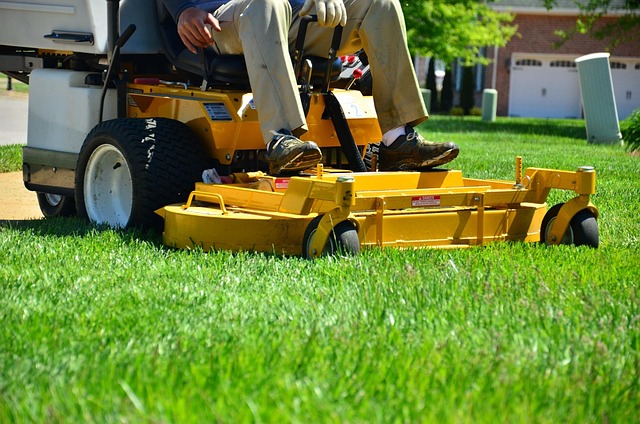
Implementing effective home maintenance practices is a cornerstone for any property owner looking to preserve their investment and avoid costly repairs down the line. A well-maintained home not only ensures structural integrity but also enhances its value and appeal. The key lies in adopting a proactive approach, which starts with a comprehensive home maintenance checklist. This tool serves as a roadmap, guiding owners through regular inspections and tasks that can prevent minor issues from escalating into major problems.
A strategic home maintenance checklist borrower requirements should encompass both routine care and seasonal specific tasks. For instance, checking for leaks during the winter months is crucial to prevent frozen pipes, while inspecting the roof for damage after severe storms is essential for maintaining drainage systems. Regular assessments of electrical panels, plumbing fixtures, and heating/cooling systems can help identify potential hazards early on. According to a study by the National Association of Home Builders (NAHB), homes that undergo routine maintenance require 20-30% less in repair costs compared to those neglected.
Practical insights from industry experts suggest breaking down the checklist into manageable sections, focusing on different areas of the property monthly or quarterly. This systematic approach ensures no detail is overlooked. For example, a monthly check for mold and mildew growth in bathrooms and kitchens can prevent health hazards and costly remodeling. Additionally, keeping records of maintenance activities and associated costs not only aids in budgeting but also provides valuable data for insurance claims and future mortgage applications. Incorporating these practices into one’s routine not only extends the lifespan of the home but also demonstrates responsible stewardship of this significant investment.