A home maintenance checklist is essential for first-time homebuyers to identify and address critical issues pre-purchase. This checklist covers structural integrity, cosmetic details, and systems like water damage, mold, electrical safety, roofing, heating/cooling, plumbing, and outdated fixtures. Regular maintenance saves costs, increases home value, ensures longevity, and promotes financial prudence by preventing unexpected repairs. Borrowers should allocate funds for an emergency repair fund and prioritize tasks based on impact, focusing on safety and comfort systems.
First-time homebuyers often face a daunting task: understanding the intricate dance of home maintenance. This crucial aspect, often overlooked, can make or break a new home’s longevity and value. A comprehensive home maintenance checklist serves as a beacon, guiding these buyers through the complexities, ensuring they’re prepared for unexpected challenges. This article offers an in-depth analysis, providing a detailed yet user-friendly checklist tailored to first-time buyers, empowering them with the knowledge needed to maintain their new space effectively and efficiently.
Understanding Essential Home Maintenance Checklist Items
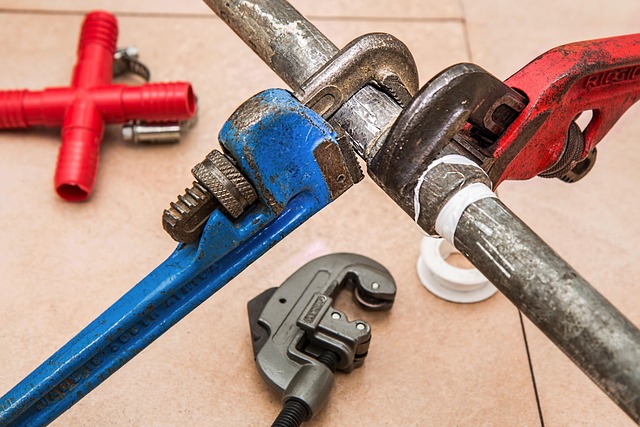
For first-time homebuyers, understanding essential home maintenance checklist items is crucial to navigating the post-purchase journey smoothly. A comprehensive home maintenance checklist serves as a borrower’s guide, ensuring that potential issues are identified and addressed promptly. This proactive approach can save significant time, money, and stress in the long run. Key elements of such a checklist should encompass structural integrity, electrical systems, plumbing, roofing, heating and cooling systems, and indoor air quality.
For instance, inspecting for signs of water damage or mold is paramount, as these issues can lead to costly renovations and health concerns. Similarly, checking the state of windows and doors, both for functionality and insulation, is vital for energy efficiency. Electrical safety should never be overlooked; examining outlets, switches, and wiring for any signs of damage or outdated components is essential, as per data from leading home inspection organizations, indicating that electrical issues are among the most common problems reported by new homeowners.
Additionally, a thorough assessment of the roofing system is imperative to prevent leaks and avoid expensive repairs. This includes checking for missing or damaged shingles, flashing, and gutters. Borrowers should also consider the age and efficiency of heating and cooling systems, as replacing outdated units can significantly impact energy bills. Incorporating these items into a home maintenance checklist borrower requirements will not only ensure a safer living environment but also foster long-term financial responsibility.
Conducting a Thorough Pre-Purchase Inspection: A Step-by-Step Guide

Conducting a comprehensive pre-purchase inspection is a crucial step for first-time homebuyers, serving as a detailed home maintenance checklist that can reveal potential issues before finalizing the deal. This process involves meticulously examining every aspect of the property, from structural integrity to minor cosmetic details. A well-informed buyer can use this home maintenance checklist borrower requirements to identify red flags and make informed decisions, potentially saving them substantial costs in the long run.
Start by assessing the exterior, looking for signs of water damage, such as peeling paint or uneven siding, which could indicate structural problems or ongoing leaks. Check the roof for missing or damaged shingles—a common yet often overlooked item on a home maintenance checklist. Proceed indoors, inspecting walls and ceilings for cracks, which may suggest foundation issues or settling. The state of the plumbing is another critical aspect; check for leaks under sinks and in bathrooms, as well as the overall efficiency of the system. An old or poorly maintained HVAC system could lead to high energy bills, so assess its functionality and consider its age when evaluating potential costs.
Electrical systems should be thoroughly checked by a qualified electrician if necessary. Look for outdated wiring, faulty outlets, or flickering lights—red flags that may indicate safety hazards. The kitchen and bathrooms are key areas; check for functional fixtures, updated appliances, and signs of water damage or mold growth. A home maintenance checklist borrower requirements also includes assessing the property’s overall safety, such as smoke and carbon monoxide detectors, secure locks, and adequate lighting. By addressing these aspects, buyers can ensure they’re making a sound investment, avoiding costly repairs after move-in.
Prioritizing Regular Maintenance Tasks for New Owners
For first-time homebuyers, navigating the world of homeownership comes with a unique set of challenges—one of which is understanding and prioritizing regular maintenance tasks. This isn’t just about ensuring your new home remains in good condition; it’s also crucial for managing costs as a borrower. A well-maintained home can significantly impact your mortgage payments and overall financial health. Therefore, developing a robust home maintenance checklist should be a priority for any new owner.
A comprehensive home maintenance checklist serves as a roadmap to proactive ownership. It helps you stay ahead of potential issues, minimizing unexpected repairs that could strain your budget. For instance, regular inspections of plumbing and electrical systems can prevent costly upgrades or emergency repairs. According to a recent survey by the National Association of Home Builders, approximately 30% of home maintenance costs are attributed to preventable issues. By adopting a proactive approach, borrowers can avoid these pitfalls and maintain their homes’ value.
Focus on tasks that enhance energy efficiency, as these often provide long-term savings. Insulation checks, for example, can help reduce heating and cooling bills. The U.S. Department of Energy estimates that improving insulation in existing homes could save an average of 10-30% on utility bills. Additionally, maintaining or replacing gutters, checking roof condition, and sealing air leaks are essential tasks that contribute to a more durable home and lower maintenance costs for borrowers over time. Incorporating these regular checks into your routine not only ensures the longevity of your investment but also makes good financial sense.
Uncovering Hidden Costs: Budgeting for Unexpected Repairs

First-time homebuyers often focus on securing a mortgage and finding their dream home, but overlooked aspects like hidden costs and budgeting for unexpected repairs can significantly impact their financial journey. A comprehensive home maintenance checklist is essential to navigate this process. While many borrowers are aware of immediate expenses such as down payment, closing costs, and initial utility bills, they may not anticipate the ongoing financial commitment required to maintain a home.
Unforeseen repairs and maintenance tasks can arise from even the best-maintained properties, adding unexpected strain on new homeowners’ budgets. According to a recent survey by the National Association of Realtors, over 50% of homebuyers discovered at least one major repair or renovation project within the first year of ownership. These costs can range from minor issues like leaky faucets and broken light fixtures to more substantial challenges such as roof replacements or foundation repairs, which can easily surpass thousands of dollars.
Creating a detailed home maintenance checklist tailored to borrower requirements is a proactive step. This involves identifying potential problem areas specific to the property’s age, location, and construction type. For instance, older homes may require more frequent roof inspections due to wear and tear, while properties near bodies of water might be prone to moisture-related issues like mold or foundation damage. Borrowers should allocate funds in their budget for an emergency fund dedicated to home repairs, ensuring they have the financial flexibility to address unforeseen challenges promptly without derailing their savings goals.
Regular maintenance not only mitigates surprise expenses but also increases the home’s value and longevity. By adhering to a proactive home maintenance checklist, borrowers can ensure their investment remains secure and maintainable over time. This strategic approach empowers first-time homebuyers to navigate the post-purchase phase with confidence, knowing they’ve prepared for potential repair costs and are actively contributing to their home’s upkeep.
Building a Comprehensive Home Care Routine for Longevity
Creating a robust home maintenance checklist is a cornerstone of responsible homeownership for first-time buyers. Beyond ensuring immediate move-in readiness, establishing a comprehensive care routine protects your investment and prevents costly repairs down the line. Think of it as an ongoing dialogue between you and your home—a proactive approach to keeping it in top shape.
A well-crafted home maintenance checklist should encompass both regular preventive measures and immediate issue resolution. Start with fundamental tasks like cleaning gutters, changing air filters, and inspecting for water leaks or pest infestations on a monthly basis. These seemingly small acts can prevent significant damage from mold growth, structural weaknesses, and costly pest control bills. Consider incorporating seasonal checks too—insulating pipes in winter, trimming trees away from power lines in fall, or sealing windows and doors in summer—to ensure your home is prepared for each climate challenge.
Beyond routine maintenance, prioritize tasks based on their borrower requirements and potential impact. Focus on systems that directly affect safety and comfort like heating, cooling, plumbing, and electrical systems. Regular inspections of these areas can identify potential red flags early on. For instance, a yearly professional HVAC check can catch efficiency issues or faulty wiring before they turn into emergencies. Remember, proactive care is not only cost-effective but also ensures your home remains a safe haven for years to come.