
First-time homebuyers need a comprehensive home maintenance checklist to ensure their investment's longevity and value. This includes:
– Structural integrity checks for foundation, walls, floors, and roof.
– Regular inspection of roofing, gutters, and water damage prevention.
– Maintenance of heating, cooling, and ventilation systems for indoor comfort.
– Plumbing inspections and repairs to prevent leaks and system failures.
– Electrical safety assessments, updates, and security measures.
– Routine maintenance and upgrades to meet lender requirements and preserve property value.
For first-time homebuyers, navigating the complexities of home ownership can be daunting. Among the many challenges, ensuring the property’s structural integrity through regular maintenance stands out as a crucial yet often overlooked aspect. A comprehensive home maintenance checklist serves as an indispensable guide for these new owners, empowering them to proactively address potential issues before they become costly repairs. This article delves into the intricate details of crafting such a checklist, offering expert insights tailored to equip first-time buyers with the knowledge needed to maintain their new homes effectively.
Understanding Essential Home Maintenance Checklist
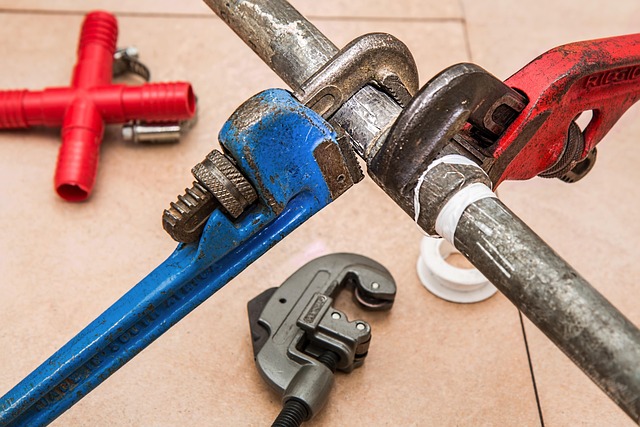
For first-time homebuyers, understanding the intricacies of home maintenance is crucial before taking on the responsibility of property ownership. A comprehensive home maintenance checklist isn’t just about ticking boxes; it’s a tool to ensure the longevity and value of your new investment. This checklist should encompass both routine care and critical repairs, as neglecting either can lead to costly unforeseen issues down the line.
A robust home maintenance checklist borrower requirements should delve into several key areas: structural integrity, roof and gutters, plumbing, electrical systems, heating and cooling, and exterior upkeep. For instance, checking for signs of foundation cracks or water damage during inspections can prevent major structural repairs in the future. Similarly, regular cleaning and inspection of gutters prevent clogs and ensure proper drainage, averting potential basement flooding. Homeowners should also scrutinize their plumbing for leaks, which can cause significant water damage and escalate into costly repairs.
In terms of home maintenance checklist borrower requirements, electrical systems demand equal attention. Check for outdated wiring, faulty outlets, or flickering lights—all indicators of potential hazards. Regularly replacing smoke detector batteries and testing carbon monoxide detectors are essential safety measures that often get overlooked yet play a vital role in protecting your family’s well-being. Lastly, don’t overlook the exterior of your home. A well-maintained exterior includes regular painting, sealing of cracks, and proper landscaping to prevent water damage and enhance energy efficiency.
By integrating these considerations into a proactive home maintenance checklist, borrowers can not only extend the lifespan of their homes but also preserve or even increase their property value. Regular upkeep is an investment in peace of mind, ensuring that your new home remains a haven rather than a source of constant worry or financial strain.
Assessing Structural Integrity: Foundation to Roof
Assessing a home’s structural integrity is a crucial step for first-time buyers on their journey towards homeownership. This involves meticulously examining every element from the foundation to the roof, as these components are integral to the overall stability and longevity of the property. A comprehensive home maintenance checklist should be the borrower’s guide, ensuring they don’t overlook any red flags that could lead to costly repairs down the line. One of the primary considerations is the structural soundness of the building, which includes checking for signs of damage or weakness in the foundation, walls, and floors.
The foundation, often considered the home’s backbone, should be free from cracks, heaves, or settlement issues. These problems can indicate severe structural concerns and may require extensive repairs or even a total replacement. For example, a study by the National Association of Home Builders found that proper foundation repair can cost anywhere from $2,000 to $7,500, depending on the extent of damage and local labor costs. Borrowers should also assess the quality of construction materials used in the walls and floors, ensuring they meet current building codes. Regular inspection of these elements can help identify potential issues early on, allowing borrowers to address them promptly through their home maintenance checklist.
Furthermore, evaluating the roof’s condition is essential, as it protects the entire structure from the elements. Look for missing or damaged shingles, flashing problems, or signs of water intrusion. These issues could lead to costly ceiling repairs, interior damage, and even mold growth. According to a report by HomeAdvisor, the average cost of a new roof ranges from $5,000 to $10,000, making regular inspections and maintenance a wise investment for borrowers. By incorporating these structural integrity assessments into their home maintenance checklist, first-time buyers can make informed decisions, ensuring they secure a safe and well-maintained home that meets their borrower requirements.
Indoor Comfort: Heating, Cooling, Ventilation Systems
Maintaining indoor comfort is a vital component of any home maintenance checklist for first-time buyers. Effective heating, cooling, and ventilation systems not only enhance livability but also contribute significantly to energy efficiency and long-term savings. As part of your home maintenance checklist borrower requirements, these systems deserve meticulous attention during the purchase process and regular upkeep thereafter.
Heating systems are particularly important, especially in colder climates. A well-maintained furnace or heat pump can operate efficiently, reducing utility bills. Regular cleaning and inspection of vents and ducts ensure optimal air circulation, preventing energy wastage and improving indoor air quality. Similarly, for cooling systems, first-time homeowners should assess the condition of their air conditioning units. Regular servicing and filter changes are crucial to maintain efficient cooling performance. Adequate ventilation is also key; proper exhaust fans and intake vents not only regulate temperature but also mitigate moisture buildup, preventing mold and mildew issues.
In terms of practical insights, first-time buyers should consider the age and efficiency ratings of HVAC systems before closing on a home. Newer systems often come with energy-saving features that can pay for themselves over time. Moreover, staying on top of routine maintenance through your home maintenance checklist is paramount. This includes changing filters as recommended by manufacturers, cleaning ducts to prevent dust buildup, and scheduling professional inspections annually. By prioritizing these aspects in your home maintenance checklist borrower requirements, you’ll foster a comfortable living environment while ensuring long-term reliability of your indoor comfort systems.
Plumbing Issues: From Pipes to Appliances
Plumbing issues can significantly impact a home’s comfort and safety, making them a crucial element to address on any comprehensive home maintenance checklist for first-time buyers. These problems can range from simple leaks to complex system failures, each requiring prompt attention to avoid costly repairs. A thorough inspection of pipes, fixtures, and appliances is essential during the initial home evaluation phase. One study found that plumbing issues are among the top five most reported housing defects, emphasizing their prevalence and potential impact on new homeowners.
Regular maintenance, such as checking for leaks around faucets and toilets, can prevent small problems from turning into major crises. First-time buyers should also familiarize themselves with basic plumbing repairs like replacing washerless faucet aerators or shutting off water valves during repairs or renovations. Understanding these tasks is vital not only for immediate home stability but also aligns with borrower requirements of many financial institutions who prioritize responsible property maintenance. For instance, a mortgage lender may require evidence of routine inspections and proactive measures to safeguard investments in real estate.
Beyond regular upkeep, borrowers should be prepared for potential emergency situations like burst pipes or clogged drains. Having a readily available list of trusted local plumbers and understanding basic troubleshooting can expedite resolution times. Many plumbing companies offer 24/7 services, which is beneficial for addressing urgent issues promptly. Additionally, staying informed about local utility shut-off procedures ensures borrowers can act swiftly when necessary, demonstrating responsible homeownership.
Safety First: Electrical Systems & Security Measures

When preparing to buy a home, a comprehensive home maintenance checklist is essential for first-time buyers. Safety should be at the forefront of your priorities, especially when assessing electrical systems and security measures. These aspects are critical not only for ensuring the well-being of residents but also for fulfilling borrower requirements set by lenders, which often include specific safety standards. A thorough inspection can prevent costly repairs and future hazards.
Electrical systems are a key area to scrutinize. Check for up-to-date wiring that meets current electrical codes. Outdated wiring is a fire hazard and may not support modern appliances. Look for signs of overloading, such as flickering lights or circuit breakers tripping frequently. Additionally, verify the condition of outlets and switches, ensuring they are secure and functional. A home maintenance checklist should also include testing smoke detectors and carbon monoxide alarms to ensure they work properly, providing vital early warning systems for potential dangers.
Security measures are equally vital. Assess the quality and condition of door locks and window security features. Older homes may require upgrades to modern security standards, which lenders often mandate in their borrower requirements. Consider installing a home security system, including surveillance cameras and motion sensors, to enhance safety and deter crime. A well-lit exterior is another important aspect; poorly lit areas can be an invitation for intruders, so ensure adequate outdoor lighting. Regularly reviewing and maintaining these safety components is crucial, as it not only safeguards residents but also maintains the value of the property and meets the expectations of lenders during the mortgage process.