
A comprehensive home maintenance checklist is crucial for first-time homebuyers to ensure long-term property value and prevent unexpected costs. It must cover structural integrity, energy efficiency, interior systems (plumbing, electrical), and appliances. Regular inspections, cleaning, and servicing—from weekly dusting to annual appliance service—preserve the home's value, comfort, and safety. Neglecting maintenance can lead to severe issues and costly repairs.
The process of purchasing a home is an exciting yet daunting journey for first-time buyers. Among the many challenges, ensuring the property’s structural integrity and addressing potential maintenance issues can be overwhelming. This comprehensive guide steps into the gap by offering a detailed home maintenance checklist tailored for novice homeowners. We understand that navigating the complexities of homeownership can be tricky, so we’ve curated an essential tool to demystify this process. By following our meticulous checklist, buyers will gain confidence and peace of mind, ensuring they don’t overlook any critical aspects of their new home’s care and upkeep.
Understanding Essential Home Maintenance Checklist Items
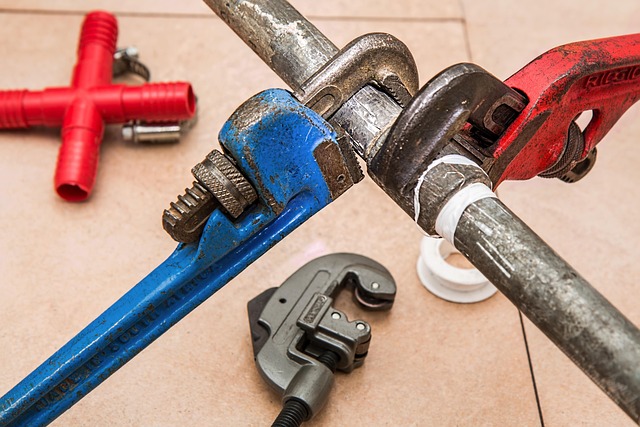
For first-time homebuyers, navigating the world of home ownership involves a steep learning curve, especially when it comes to understanding essential home maintenance checklist items. While excitement for this new chapter is understandable, tackling unexpected repairs and maintenance tasks can quickly become overwhelming if not properly prepared. A comprehensive home maintenance checklist becomes an invaluable tool, guiding borrowers through the initial stages of homeownership while ensuring they’re meeting necessary borrower requirements.
A robust home maintenance checklist should cover everything from structural integrity to energy efficiency. Start with a thorough inspection of the building’s exterior, including roofing, siding, and windows. Look for signs of damage or wear, as these could indicate more significant issues down the line. For instance, a roof in need of repair not only compromises aesthetics but also poses potential safety risks. Similarly, assess the property’s landscaping – well-maintained yards signal responsible ownership while neglected areas might hint at financial strain or disinterest in upkeep.
Interior checks are equally crucial. Pay close attention to plumbing and electrical systems, examining for leaks, rust, outdated wiring, and faulty outlets. These issues can not only be costly to repair but also pose safety hazards. Check for adequate insulation, as this impacts energy efficiency and comfort levels. A home maintenance checklist should also include appliances – their functionality and age are crucial factors in determining future replacement costs. Remember, a well-maintained home translates directly into lower borrower requirements and long-term savings.
Creating a Comprehensive First-Time Buyer's Guide

For first-time homebuyers, navigating the home buying process can be overwhelming. One often-overlooked aspect of this journey is preparing a comprehensive home maintenance checklist. This checklist serves as a crucial tool to ensure a smooth transition from house hunter to homeowner. It helps buyers identify potential issues, understand immediate and long-term maintenance needs, and set realistic expectations.
A thorough home maintenance checklist borrower requirements should encompass both the property’s physical condition and ongoing upkeep. Begin with a structural assessment, noting the age of the roof, foundation, plumbing, and electrical systems. Check for signs of damage or wear and consider the cost of potential repairs. For instance, a 20-year-old roof may require replacement within the next few years, impacting your budget and plans. Similarly, inspect the property’s insulation, windows, and doors for energy efficiency, as these can significantly affect utility bills.
Beyond structural elements, focus on key areas like appliances, HVAC systems, and essential fixtures. Test all appliances, checking for functionality and efficiency ratings. Older models might need replacement, affecting your initial costs but saving money in the long run. Don’t overlook the importance of a well-maintained heating and cooling system; inefficient units can drive up energy expenses. Lastly, assess the condition of countertops, cabinets, and flooring, considering their longevity and potential resale value. Regular maintenance of these features can extend their life and preserve your investment.
Creating an all-encompassing home maintenance checklist requires meticulous attention to detail and a proactive mindset. It’s not just about curating a list; it’s about understanding the borrower requirements for maintaining a home over time. By thoroughly evaluating each aspect, first-time buyers can make informed decisions, avoid costly surprises, and cultivate a deeper appreciation for their new home.
Regular Maintenance: Ensuring Long-Term Home Health

Regular maintenance is a cornerstone of home ownership, especially for first-time buyers who are stepping into this new phase with excitement yet potentially unfamiliar territory. A comprehensive home maintenance checklist serves as your roadmap to ensuring long-term health and value of your investment. This isn’t just about ticking boxes; it’s an ongoing dialogue between you and your home, addressing needs as they arise and preventing issues before they become costly repairs.
Consider a scenario where neglecting regular maintenance leads to more significant problems down the line. For instance, a small leak in the roof, ignored over time, can morph into a major flood, causing extensive damage to walls, ceilings, and personal belongings. A proactive home maintenance checklist borrower requirements involves scheduling periodic inspections, such as checking for water intrusion or mold growth, which are red flags indicating potential structural issues. Similarly, regular cleaning of gutters and downspouts prevents clogs that could lead to water damage during heavy rainfall.
Implementing a robust home maintenance checklist requires discipline but pays dividends in peace of mind and financial savings. Start by categorizing tasks based on frequency: weekly (e.g., dusting, vacuuming), monthly (e.g., checking for pest infestations, inspecting appliances), annually (e.g., servicing HVAC systems, examining roofing), or every few years (e.g., deep cleaning, professional pest control). For instance, an annual check-up of your home’s electrical system can identify potential hazards and ensure safety. Moreover, staying on top of recommended maintenance for major appliances extends their lifespan, avoiding unexpected breakdowns that could disrupt daily life and finances.
Beyond individual tasks, cultivating a mindset of preventative care fosters a healthier living environment. This includes addressing noise issues promptly to avoid structural damage from prolonged exposure to loud noises, as well as mitigating indoor air pollution through regular cleaning and the use of air purifiers. Remember, a well-maintained home is not just about aesthetics; it’s about preserving an asset that represents significant financial investment and providing a safe, comfortable space for years to come.